Cattails are one of the most well-known water plants in North America, usually determined by their high environment-friendly stalks and brownish, cigar-shaped seed heads. While cattails can supply minimal eco-friendly benefits in natural marshes, they come to be a significant issue when they spread frantically in fish ponds, lakes, stormwater basins, drain networks, and coastlines.
Unattended cattail growth can choke rivers, restrict access, minimize water flow, rise insect habitat, and adversely influence both property worth and ecosystem equilibrium. That’s why specialist cattail removal is typically necessary to restore healthy and balanced, practical water bodies.
This overview explains what cattails are, why they spread so strongly, and one of the most effective cattail removal approaches– so you can make informed choices regarding handling them appropriately.
What Are Cattails?
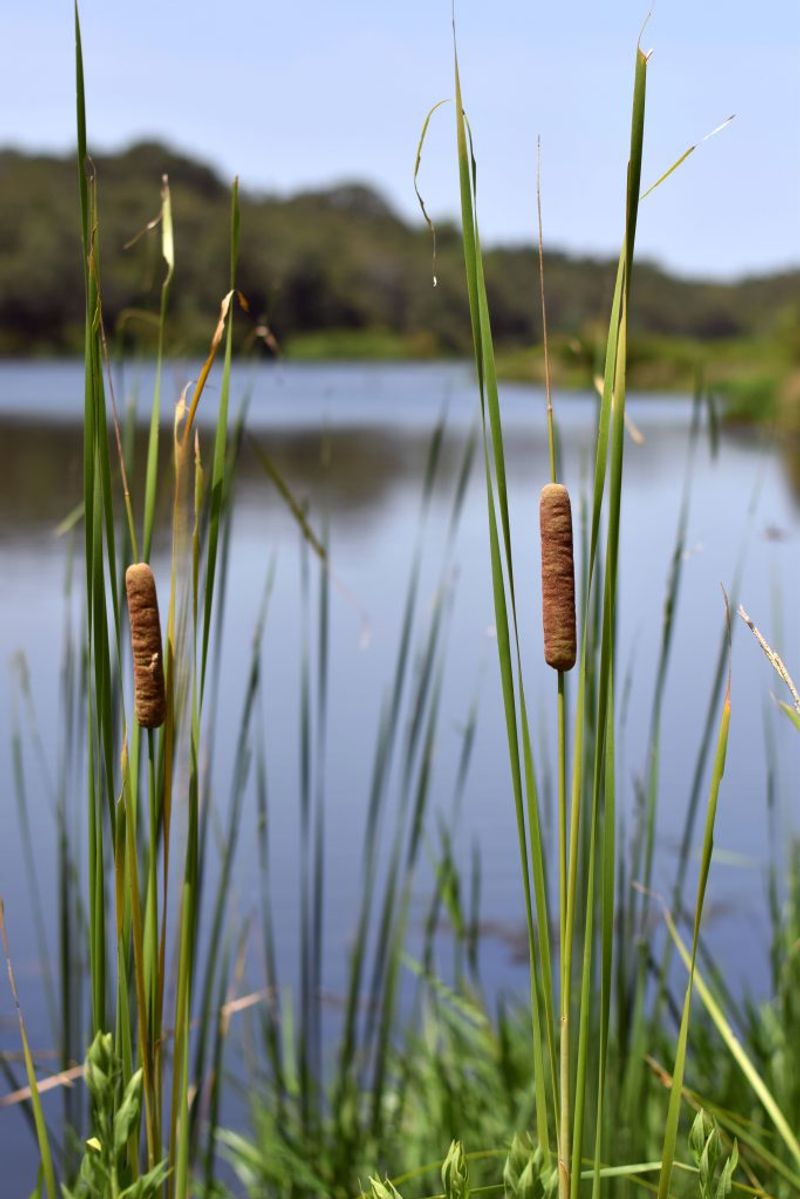
Cattails are emergent marine plants that grow in shallow water and saturated dirts. They prosper along pond edges, marshes, lakeshores, irrigation canals, and stormwater systems. As soon as developed, cattails create thick monocultures that crowd out indigenous vegetation and change water problems.
Cattails spread through:
- Roots (below ground origins) that increase side to side
- Seeds that disperse quickly by wind and water
Since their root systems keep energy below the surface area, simply reducing cattails above water hardly ever solves the trouble long-lasting.
Why Cattails Become a Problem
While cattails are in some cases viewed as “natural,” too much development produces considerable issues:
- Blocked Water Flow
- Dense cattail stands restrict water drainage in channels, ditches, and stormwater systems, increasing flooding threat during hefty rainfall events.
- Loss of Open Water
- Cattails quickly elbow in right into ponds and lakes, lowering functional area for entertainment, watering, and wild animals variety.
- Insect Habitat
- Thick cattail development develops stationary water areas excellent for mosquito breeding.
- Shoreline Access Problems
- Cattails obstruct anchors, walking courses, fishing gain access to, and shoreline upkeep.
- Ecosystem Imbalance
- Monocultures displace advantageous indigenous plants and decrease oxygen exchange, damaging fish and marine microorganisms.
For these factors, energetic cattail control and elimination is frequently essential– particularly in handled or city invasive cattail removal California water bodies.
When Is the very best Time for Cattail Removal?
Timing issues when it involves cattail administration.
- Late springtime to early summertime: Best for mechanical elimination and reducing before seed heads develop
- Late summer season to early fall: Effective for systemic control because energy is relocating into the origins
- Winter months: Can be excellent for heavy devices access when water levels are reduced
Expert analyses consider water depth, sediment problems, wild animals considerations, and site access before selecting the optimal timing.
Cattail Removal Methods
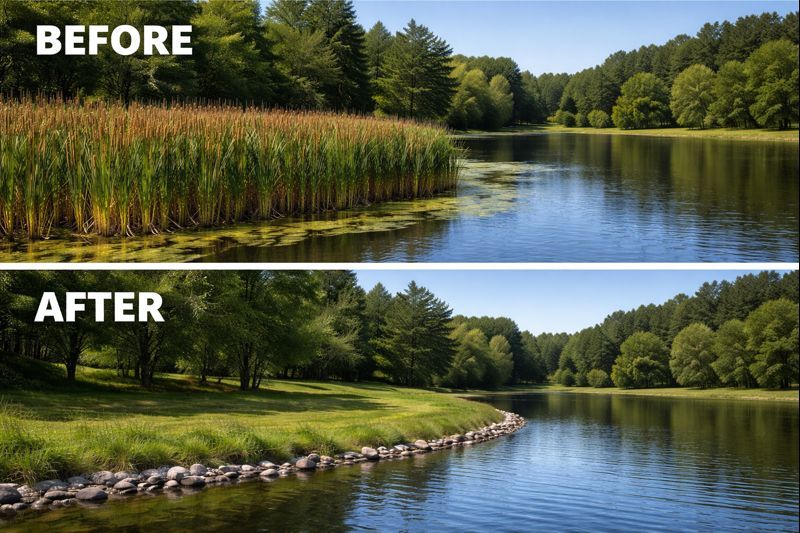
There is no one-size-fits-all solution for cattail removal. The best technique relies on the dimension of the problem, water deepness, and lasting management objectives.
1. Mechanical Cattail Removal
Mechanical removal is one of one of the most effective lasting solutions, particularly for dense invasions.
Typical mechanical techniques consist of:
- Excavation with aquatic or shoreline tools
- Water weed harvesters
- Root and root removal
Pros:
- Eliminates both plants and origin systems
- Immediate aesthetic and useful outcomes
- Reduces regrowth when done correctly
Cons:
- Higher ahead of time cost
- Needs specific equipment
- Sediment disruption have to be managed appropriately
Mechanical cattail removal is frequently chosen for fish ponds, lakes, stormwater containers, and drain networks where long-term results are required.
2. Cutting and Mowing invasive cattail removal California
Cutting includes trimming cattails at or below the waterline making use of guidebook devices or mechanical cutters.
Pros:
- Lower cost upfront
- Enhances access and look
- Can decrease seed production
Cons:
- Does not get rid of origins
- Calls for repeated maintenance
- Restricted lasting performance
Cutting alone is best used as part of a wider cattail control strategy, not as a standalone solution.
3. Root Removal and Sediment Management
Because cattails spread out largely via roots, root elimination is crucial for lasting success. This may entail:
Targeted excavation
- Sediment removal or improving
- Coastline regrading to lower shallow areas
Modifying water deepness and sediment structure can make conditions much less beneficial for cattail regrowth.
4. Integrated invasive cattail removal California Management
One of the most effective cattail control programs combine numerous techniques:
- Mechanical removal
- Follow-up cutting or area control
- Water level monitoring
- Indigenous plant reconstruction
Integrated management decreases the chance of reinfestation and sustains a much healthier aquatic community.
Why DIY invasive cattail removal California Removal Often Fails
Numerous homeowner attempt cattail removal themselves, only to see rapid regrowth.
Usual DIY mistakes include:
- Reducing without eliminating origins
- Ignoring sediment problems
- Leaving fragmented rhizomes behind
- Spreading out seeds accidentally
Without correct devices and preparation, DIY initiatives frequently make the trouble even worse by promoting new growth.
Environmental Considerations
Accountable cattail removal equilibriums control with ecological stewardship.
Specialist cattail removal jobs account for:
- Wildlife nesting seasons
- Water high quality defense
- Sediment control
- Conformity with neighborhood and state regulations
When done correctly, cattail removal enhances water top quality, restores environment diversity, and enhances general ecological community health and wellness.
Stopping Cattails From Coming Back
Lasting cattail control doesn’t end with removal. Prevention is equally as important.
Efficient avoidance methods include:
- Increasing water depth along coastlines
- Reducing nutrient runoff
- Preserving defined pond edges
- Changing cattails with native plants
- Regular assessments and upkeep
Continuous administration considerably decreases future removal costs.
Cattail Removal for Different Water Bodies
Fish ponds and Lakes
Focus on shoreline administration, root elimination, and protecting open water.
Stormwater Basins
Prioritize water flow, accessibility for maintenance, and flood control.
Drain Channels
Make sure unobstructed circulation and avoid debris build-up.
Wetlands
Usage careful, environmentally sensitive approaches to shield environment balance.
Each website requires a customized cattail removal plan.
Just How Much Does Cattail Removal Cost?
Expenses vary widely relying on:
- Size of problem
- Water depth and gain access to
- Tools required
- Disposal needs
- Allowing factors to consider
While mechanical elimination may cost even more originally, it frequently provides the most affordable long-term expense due to decreased regrowth.
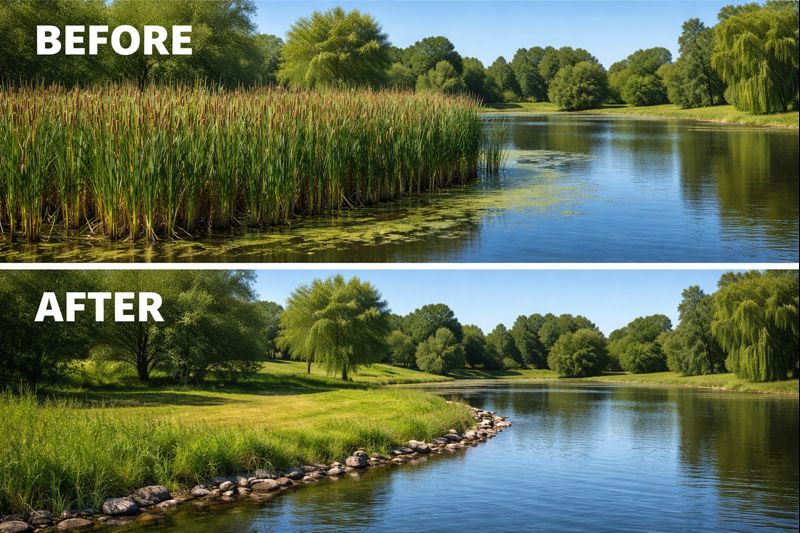
Expert Cattail Removal: Why It Matters
Professional cattail removal supplies:
- Lasting outcomes
- Appropriate origin and sediment management
- Decreased ecological influence
- Compliance with laws
- Boosted building worth and usability
For huge or consistent cattail troubles, professional solutions are one of the most effective and cost-effective choice.
Last Thoughts on Cattail Removal
Cattails are resilient, fast-spreading plants that require critical administration. While they may serve a function in all-natural marshes, unrestrained cattail development creates significant useful and environmental troubles in managed water bodies.
Reliable cattail removal focuses on:
- Eliminating origin systems
- Bring back proper water deepness and flow
- Stopping future regrowth
With the right method, cattail-infested fish ponds, lakes, and shorelines can be brought back to healthy, functional conditions for several years ahead.