Cattails are among the most recognizable aquatic plants in North America, typically determined by their high environment-friendly stalks and brownish, cigar-shaped seed heads. While cattails can supply minimal environmental advantages in natural wetlands, they end up being a significant trouble when they spread uncontrollably in ponds, lakes, stormwater basins, drainage channels, and shorelines.
Uncontrolled cattail development can choke waterways, restrict access, lower water flow, boost mosquito habitat, and negatively effect both property value and ecosystem equilibrium. That’s why professional cattail removal is typically necessary to restore healthy, practical water bodies.
This overview discusses what cattails are, why they spread out so strongly, and the most effective cattail removal techniques– so you can make enlightened choices concerning managing them appropriately.
What Are Cattails?
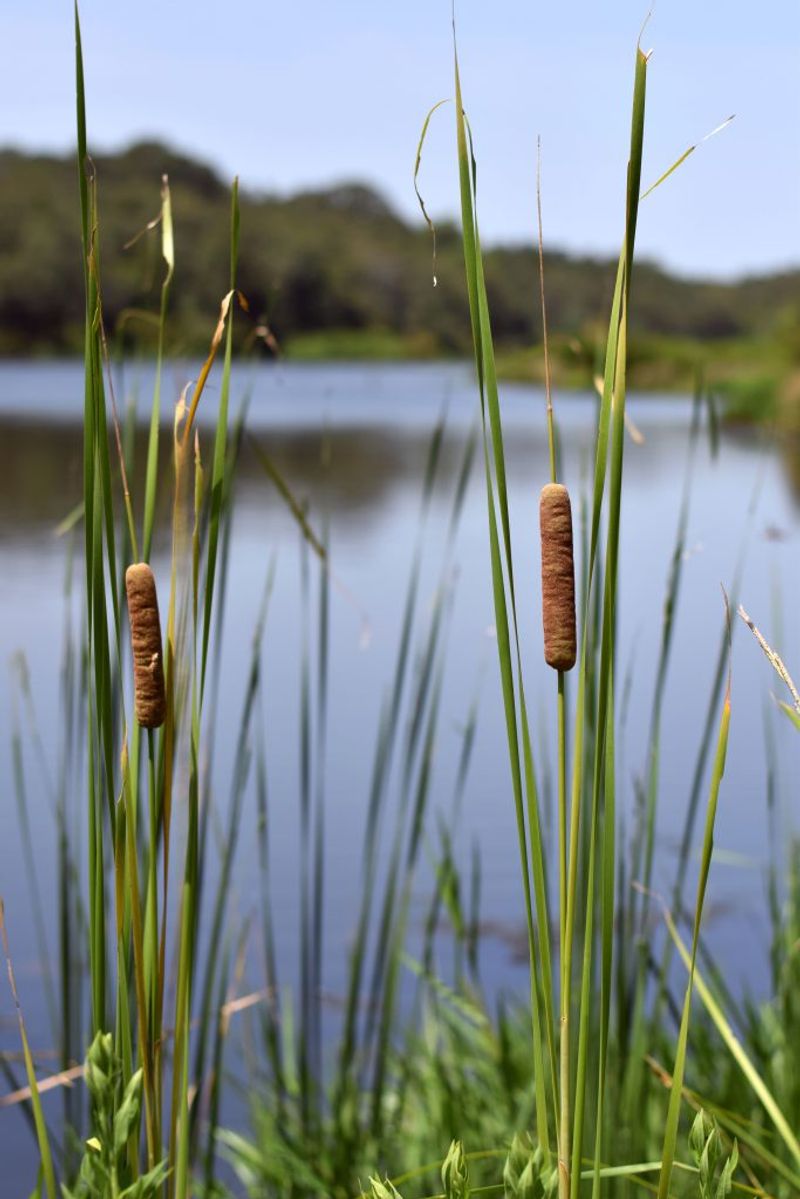
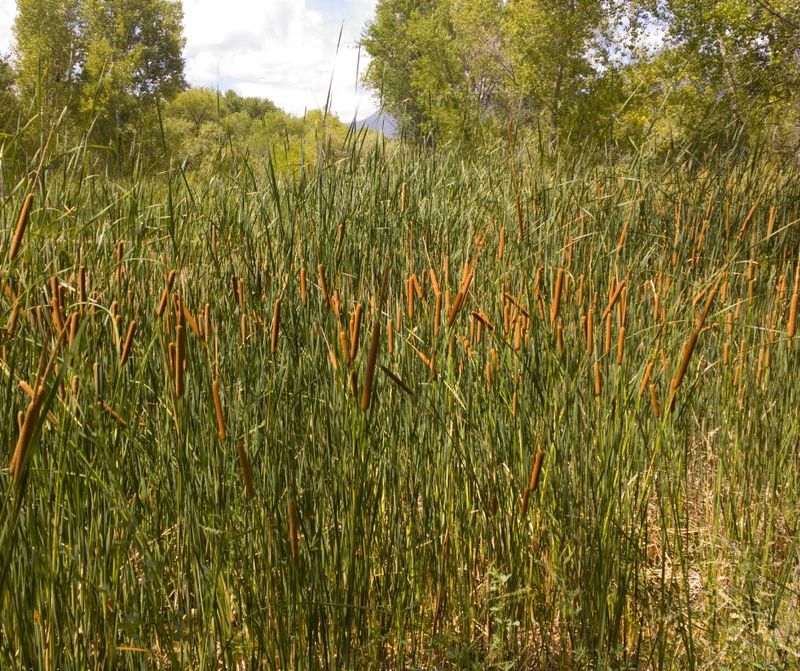
Cattails are rising marine plants that expand in superficial water and saturated dirts. They prosper along pond sides, marshes, lakeshores, irrigation canals, and stormwater systems. As soon as developed, cattails develop dense monocultures that crowd out native vegetation and modify water problems.
Cattails spread through:
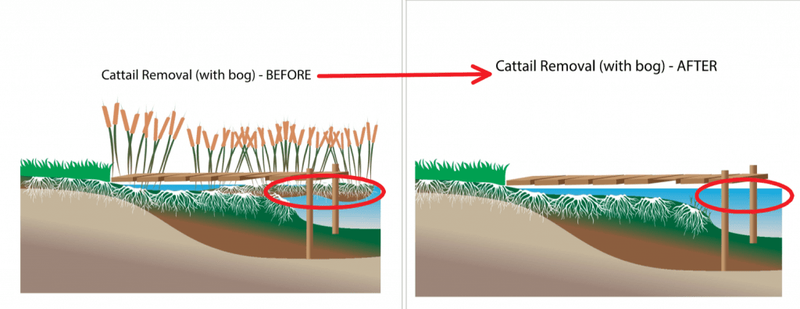
- Roots (underground origins) that expand laterally
- Seeds that disperse conveniently by wind and water
Due to the fact that their root systems store energy listed below the surface area, just cutting cattails over water hardly ever addresses the trouble long-lasting.
Why Cattails Become a Problem
While cattails are sometimes considered as “natural,” extreme development develops significant issues:
- Blocked Water Flow
- Thick cattail stands restrict water drainage in channels, ditches, and stormwater systems, enhancing flooding danger during heavy rainfall events.
- Loss of Open Water
- Cattails quickly intrude into fish ponds and lakes, lowering usable area for recreation, watering, and wild animals diversity.
- Insect Habitat
- Thick cattail development creates stationary water areas suitable for mosquito breeding.
- Coastline Access Problems
- Cattails obstruct docks, strolling paths, fishing access, and coastline upkeep.
- Ecological community Imbalance
- Monocultures displace valuable indigenous plants and decrease oxygen exchange, damaging fish and marine organisms.
For these factors, energetic cattail control and removal is typically required– specifically in taken care of or metropolitan cattail removal near me water bodies.
When Is the very best Time for Cattail Removal?
Timing issues when it comes to cattail administration.
- Late springtime to early summer season: Best for mechanical elimination and reducing prior to seed heads grow
- Late summer to early loss: Effective for systemic control due to the fact that power is relocating into the roots
- Winter season: Can be suitable for hefty tools accessibility when water levels are low
Professional analyses take into consideration water deepness, sediment conditions, wildlife factors to consider, and site access before choosing the ideal timing.
Cattail Removal Methods
There is no one-size-fits-all service for cattail removal. The very best technique depends upon the dimension of the invasion, water depth, and lasting management goals.
1. Mechanical Cattail Removal
Mechanical elimination is one of one of the most effective long-term remedies, especially for thick infestations.
Typical mechanical techniques consist of:
- Excavation with amphibious or shoreline devices
- Aquatic weed harvesters
- Origin and rhizome removal
Pros:
- Gets rid of both plants and root systems
- Immediate aesthetic and useful outcomes
- Minimizes regrowth when done appropriately
Cons:
- Higher in advance cost
- Requires specialized tools
- Debris disruption have to be managed appropriately
Mechanical cattail removal is commonly liked for fish ponds, lakes, stormwater containers, and water drainage channels where long-term results are needed.
2. Reducing and Mowing cattail removal near me
Reducing entails trimming cattails at or below the waterline making use of manual devices or mechanical cutters.
Pros:
- Lower cost upfront
- Boosts accessibility and appearance
- Can lower seed manufacturing
Cons:
- Does not get rid of origins
- Needs repeated upkeep
- Limited lasting performance
Cutting alone is best utilized as part of a broader cattail control approach, not as a standalone solution.
3. Root Removal and Sediment Management
Because cattails spread primarily via rhizomes, origin removal is important for long-term success. This may involve:
Targeted excavation
- Sediment removal or reshaping
- Coastline regrading to lower shallow zones
Modifying water depth and debris make-up can make problems less favorable for cattail regrowth.
4. Integrated cattail removal near me Management
The most successful cattail control programs combine several methods:
- Mechanical removal
- Follow-up cutting or area control
- Water level management
- Native plant repair
Integrated management decreases the likelihood of reinfestation and supports a healthier aquatic ecosystem.
Why DIY cattail removal near me Removal Often Fails
Numerous property owners try cattail removal themselves, only to see fast regrowth.
Typical DIY errors consist of:
- Cutting without getting rid of origins
- Ignoring debris problems
- Leaving fragmented rhizomes behind
- Spreading seeds accidentally
Without appropriate devices and preparation, DIY efforts frequently make the trouble even worse by boosting new growth.
Environmental Considerations
Accountable cattail removal equilibriums regulate with ecological stewardship.
Professional cattail removal jobs make up:
- Wild animals nesting seasons
- Water quality protection
- Sediment control
- Compliance with regional and state policies
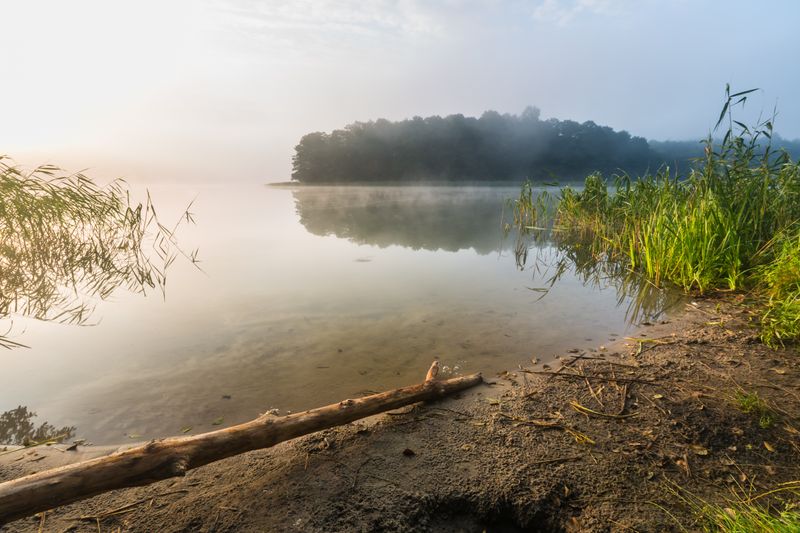
When done appropriately, cattail removal improves water quality, recovers habitat diversity, and enhances overall ecosystem health.
Stopping Cattails From Coming Back
Long-term cattail control does not finish with elimination. Avoidance is just as crucial.
Efficient prevention strategies consist of:
- Boosting water deepness along shorelines
- Reducing nutrient runoff
- Keeping defined pond sides
- Changing cattails with native plants
- Normal examinations and upkeep
Recurring monitoring significantly reduces future elimination costs.
Cattail Removal for Different Water Bodies
Fish ponds and Lakes
Concentrate on coastline management, root elimination, and protecting open water.
Stormwater Basins
Focus on water circulation, access for maintenance, and flood control.
Water drainage Channels
Ensure unobstructed flow and stop debris build-up.
Wetlands
Usage careful, ecologically sensitive techniques to protect environment equilibrium.
Each website calls for a tailored cattail removal strategy.
How Much Does Cattail Removal Cost?
Expenses vary extensively depending upon:
- Dimension of infestation
- Water deepness and access
- Tools called for
- Disposal demands
- Allowing factors to consider
While mechanical removal may set you back even more at first, it usually supplies the lowest long-lasting price because of minimized regrowth.
Professional Cattail Removal: Why It Matters
Expert cattail removal supplies:
- Long-lasting outcomes
- Correct origin and sediment management
- Reduced environmental impact
- Conformity with regulations
- Improved property value and functionality
For huge or relentless cattail issues, expert services are the most effective and cost-effective option.
Last Thoughts on Cattail Removal
Cattails are resistant, fast-spreading plants that need strategic monitoring. While they may serve a duty in all-natural wetlands, unrestrained cattail growth develops serious useful and environmental issues in handled water bodies.
Reliable cattail removal concentrates on:
- Eliminating origin systems
- Restoring correct water depth and flow
- Stopping future regrowth
With the ideal technique, cattail-infested ponds, lakes, and coastlines can be restored to healthy and balanced, usable problems for several years to come.