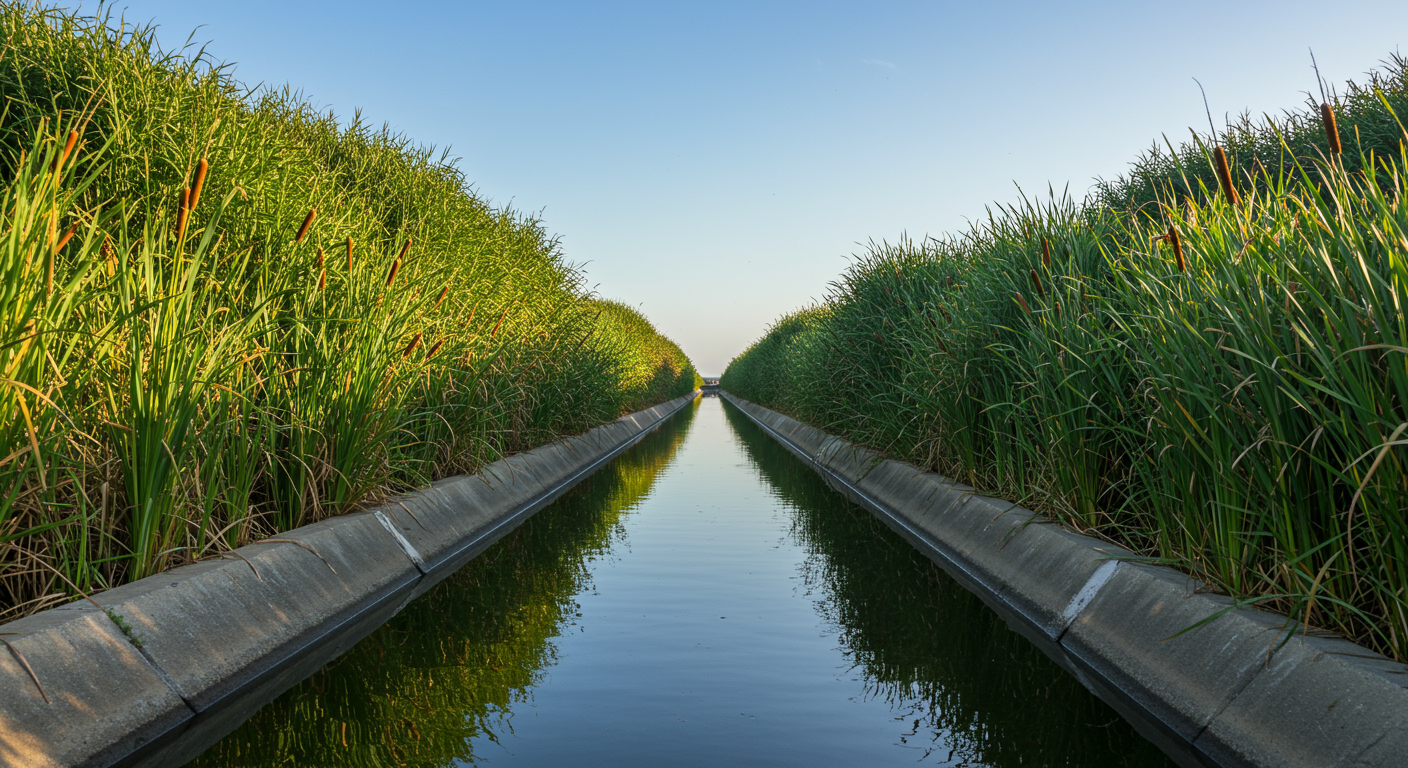
About San Joaquin Delta
The Sacramento–San Joaquin Delta is one of California's most ecologically complex and economically vital waterway systems. Spanning more than 1,100 miles of navigable channels, levee-lined sloughs, agricultural islands, and tidal waterways, the Delta supports agriculture, water supply for more than 27 million Californians, and extensive recreational use. Invasive hybrid cattail (Typha x glauca) thrives in the Delta's rich organic sediment and year-round water availability — making it one of the most persistent and challenging aquatic vegetation management environments in the state.
Why Cattail Removal Matters at San Joaquin Delta
Delta cattail management presents unique challenges: tidal fluctuations create constantly shifting access and water conditions, invasive hybrid Typha spreads more aggressively than native Typha latifolia, and the Delta's vast scale means overgrowth can progress across entire channel margins before being addressed. Agricultural property owners on Delta islands face blocked drainage infrastructure and compromised levee access. Recreational marinas experience channel narrowing that affects navigation. Municipal water agencies require clear conveyance channels to maintain delivery capacity.
- Blocked channel or shoreline access for recreation and operations
- Dense stands create breeding habitat for mosquitoes and biting insects
- Root mass accumulation accelerates sediment buildup and reduces water depth
- Standing dead vegetation creates fire hazard during dry periods
- Reduced water conveyance capacity in managed water bodies
Our Approach at San Joaquin Delta
Our Delta work deploys amphibious excavators and specialized waterborne equipment capable of operating in soft-bottom, water-covered conditions. Delta projects focus on full rhizome extraction rather than surface cutting to prevent rapid regrowth from root fragments. We coordinate project scheduling around tidal conditions and agricultural irrigation seasons.
We specialize in mechanical extraction — physically removing root mass (rhizomes) rather than applying herbicides. This approach is effective, environmentally responsible, and produces long-lasting results appropriate for sensitive or regulated water bodies.
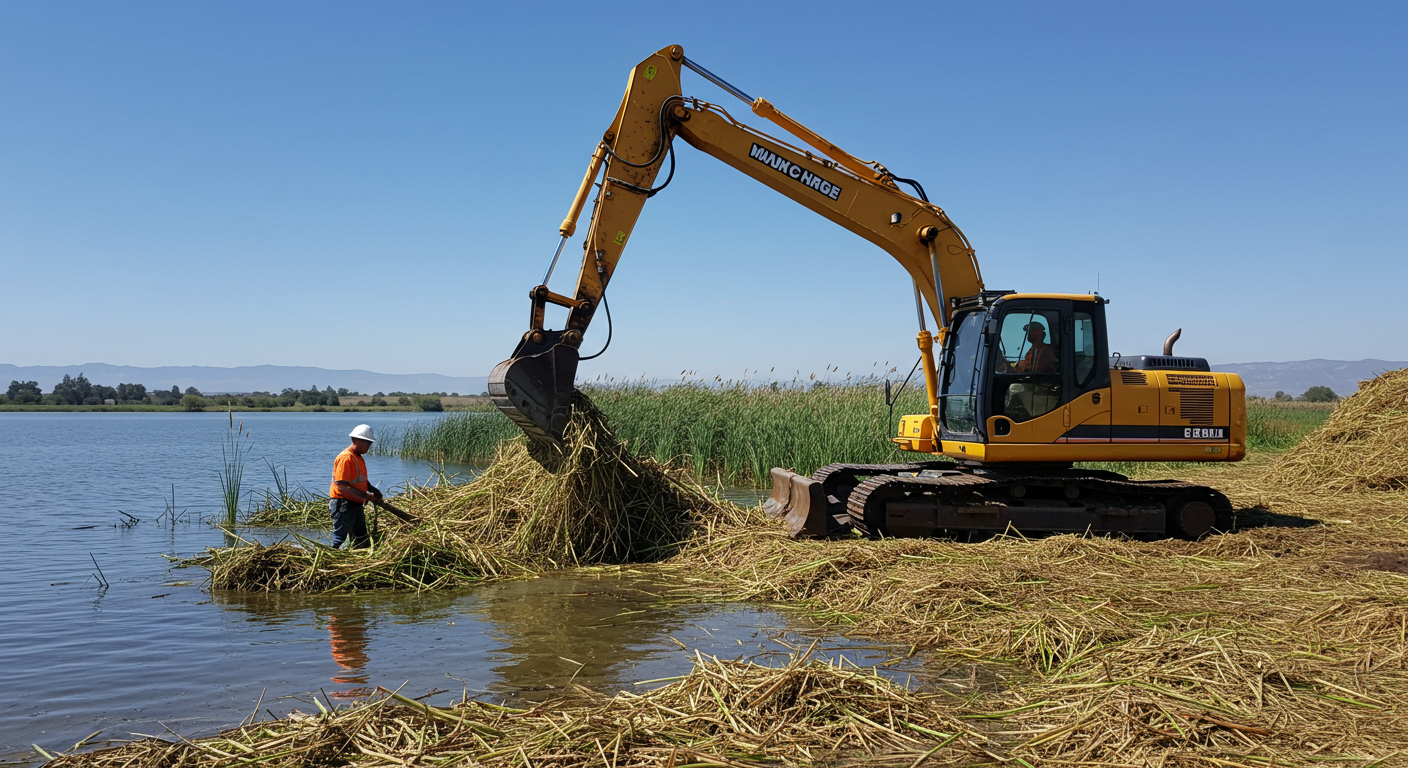
Our crew deploying mechanical extraction equipment for a project similar to those we conduct at San Joaquin Delta.
What Results to Expect
Professional mechanical extraction produces dramatically clear results — full rhizome removal prevents rapid regrowth and restores open water conditions that persist significantly longer than surface-only cutting methods. At water bodies like San Joaquin Delta, complete root extraction is essential for durable results given the site's ongoing nutrient environment.
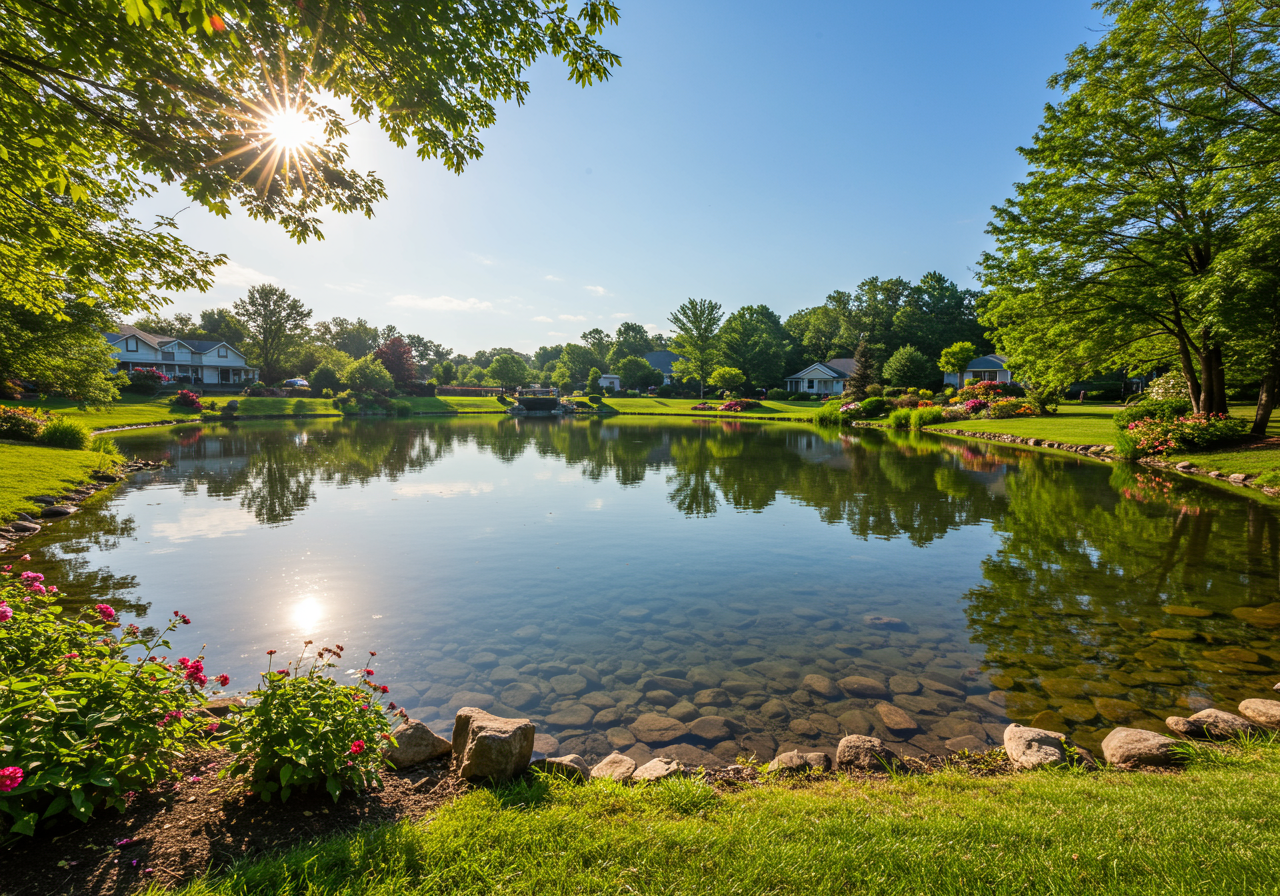
Restored open shoreline after complete mechanical cattail extraction — the result property owners and park managers expect.
Related Services
Resource Guides
Nearby Cities We Serve
We serve properties and water bodies throughout the areas surrounding San Joaquin Delta:
View all California service areas →Request a Cattail Removal Inspection at San Joaquin Delta
Get a written proposal from an experienced crew. We work with property owners, park agencies, and water management authorities on projects of all sizes.
Frequently Asked Questions — San Joaquin Delta
Site Service Details
- Free on-site evaluation for all properties
- Written fixed-price proposals before work begins
- Mechanical extraction — no herbicides
- Amphibious equipment available for water access
- Agency coordination and compliance guidance